






A garden seating area in Dubai can be the nicest spot of the house from November to March and almost unusable from May to September. The difference lies in how well the area is shaded, cooled and planted. Good shade on its own is not enough: the surroundings decide whether the space stays pleasant when temperatures climb.
Start with the position, not the furniture
Before choosing a table or a lounge set, watch where the sun falls at the hours you want to sit outside. Morning seating on the east side needs less protection than an evening spot facing west, where the low sun reaches far under any roof. Wind matters as well: a seating area that catches the sea breeze feels several degrees cooler than one tucked into a corner between walls.
A landscape designer can read these conditions on site and place the seating where it works best. For villas and gardens in the emirate, an experienced landscaping company in Dubai such as Planet Greeners can combine layout, planting and irrigation into one plan, so the seating area is part of the garden rather than an island in it.
Shade from above
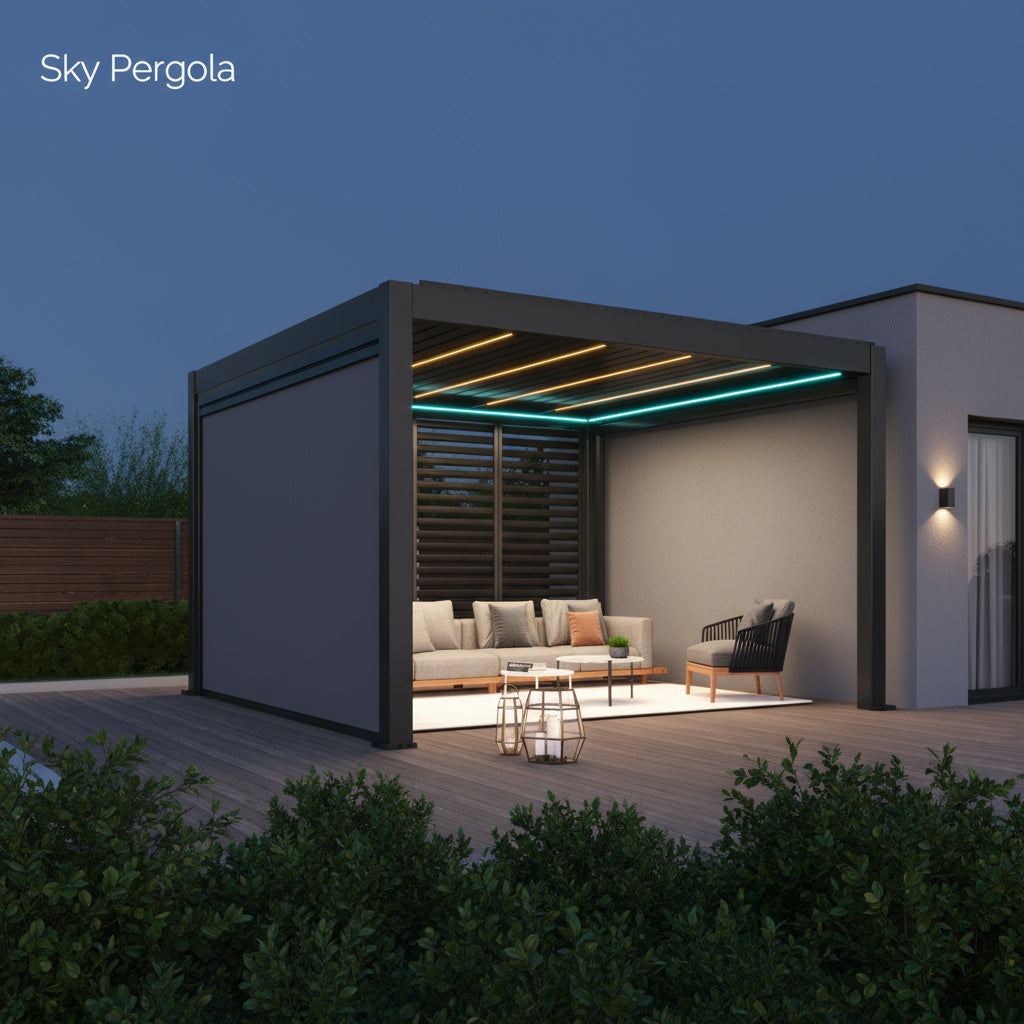
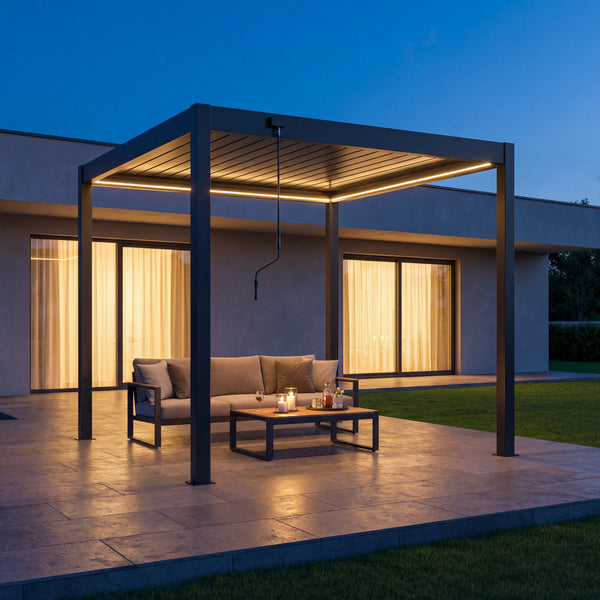
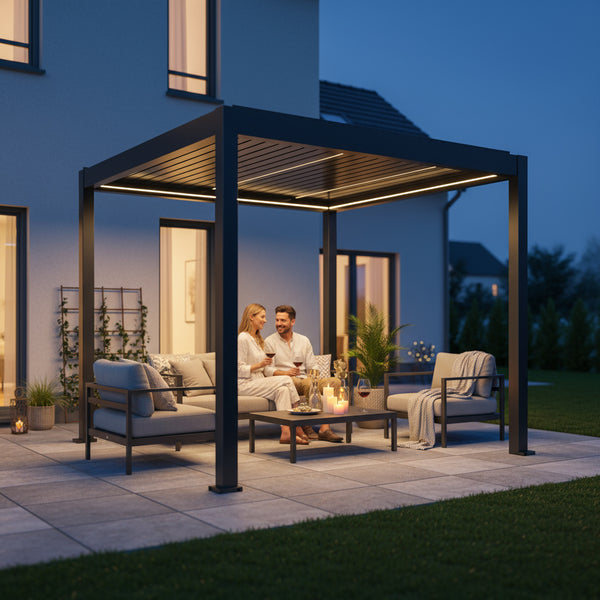
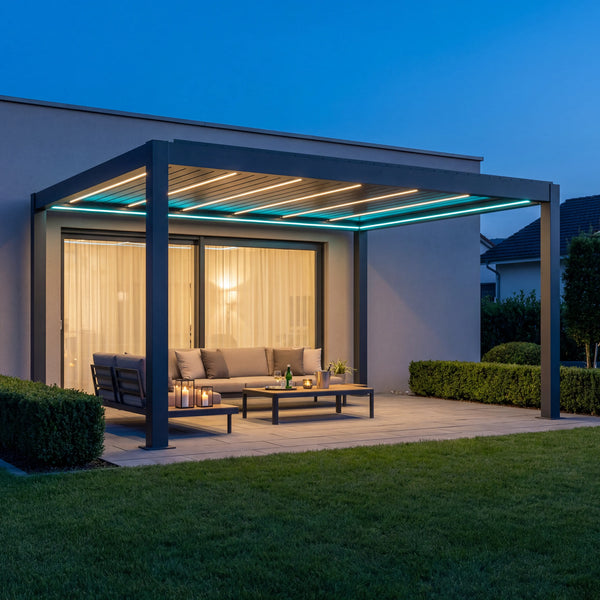
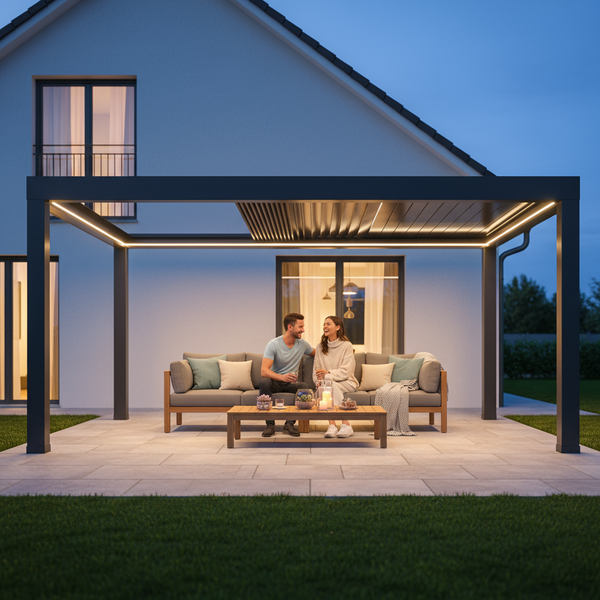
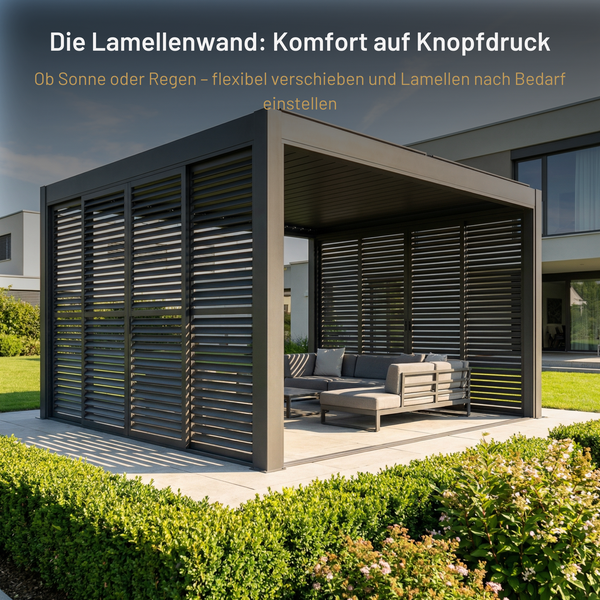
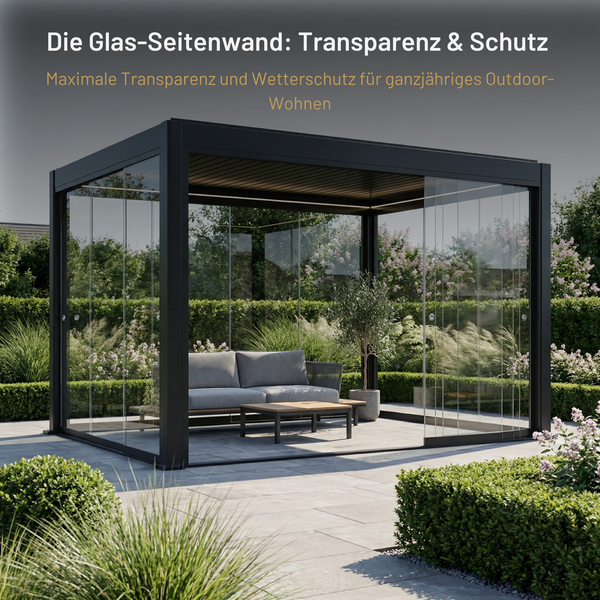
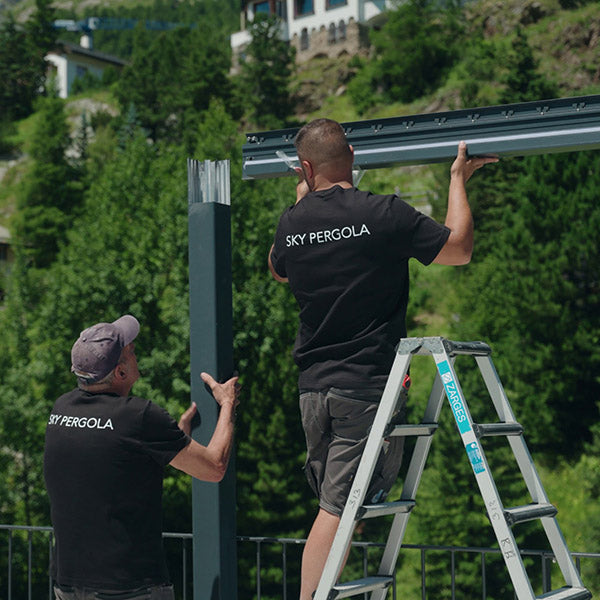
The roof over a seating area has two jobs: block direct sun at midday and let heat escape. Solid roofs give constant shade but can trap warm air underneath. Fabric sails are light and affordable but need to be taken down in strong wind and fade quickly in the sun. An aluminium pergola with adjustable louvres closes completely at midday and opens in the evening, so hot air rises out and the sky becomes visible again.
Size the roof to the furniture plus space to move. For a dining table with six chairs, plan at least four by four metres of shade; for a lounge corner, measure the sofa and add a metre on the open sides.
Shade from the side
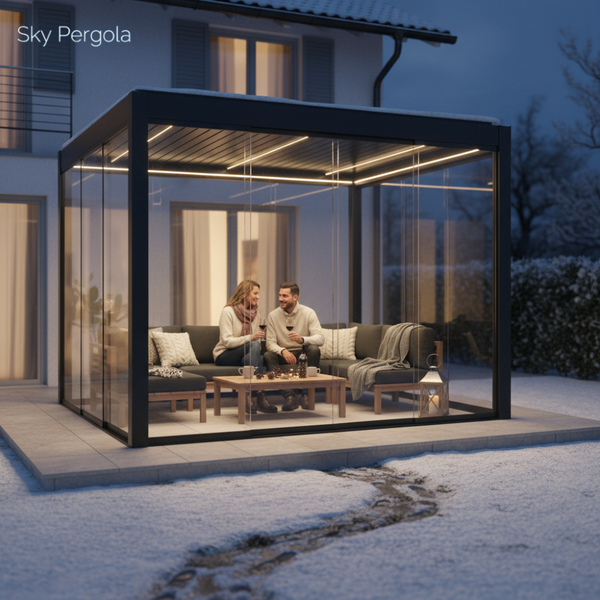
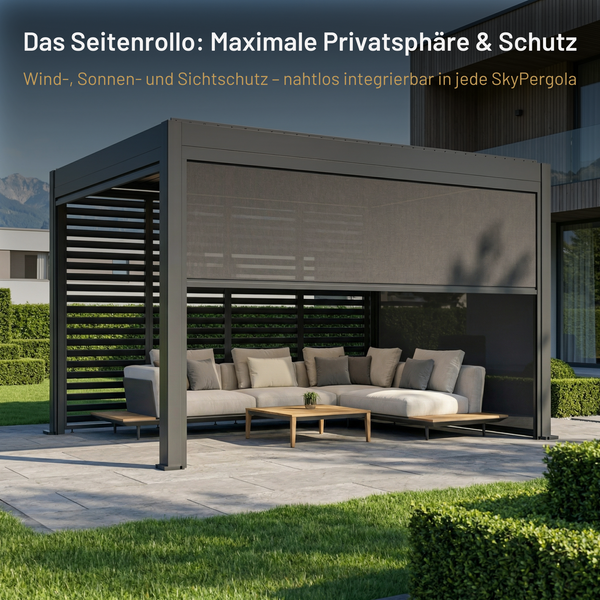
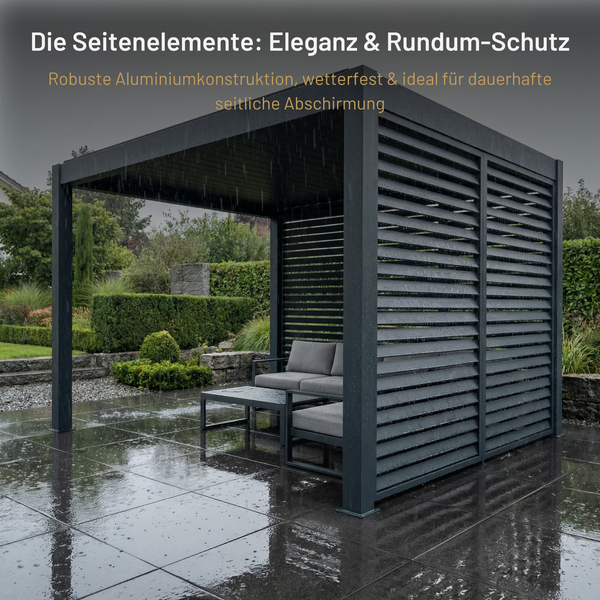
In the late afternoon, the sun comes in low and a roof alone no longer helps. Vertical elements fill the gap:
- Screens and blinds on the west or south side of the pergola, ideally motorised so they can be lowered only when needed.
- Hedges and tall grasses that filter light and wind without blocking the view completely.
- Climbing plants on a separate trellis next to the seating area. On the pergola itself they tend to block the louvres.
Planting that cools
Plants lower the surrounding temperature through evaporation and keep hard surfaces from storing heat. Lawn or ground cover around the seating area stays cooler than paving. Trees with a light crown, planted at a distance, add dappled shade without dropping too many leaves onto the roof. Choose species that cope with heat and salt, and plan drip irrigation from the start, so the planting survives the summer without daily hand watering.
Surfaces and details
- Light-coloured paving reflects heat instead of storing it. Dark stone can become too hot to walk on barefoot.
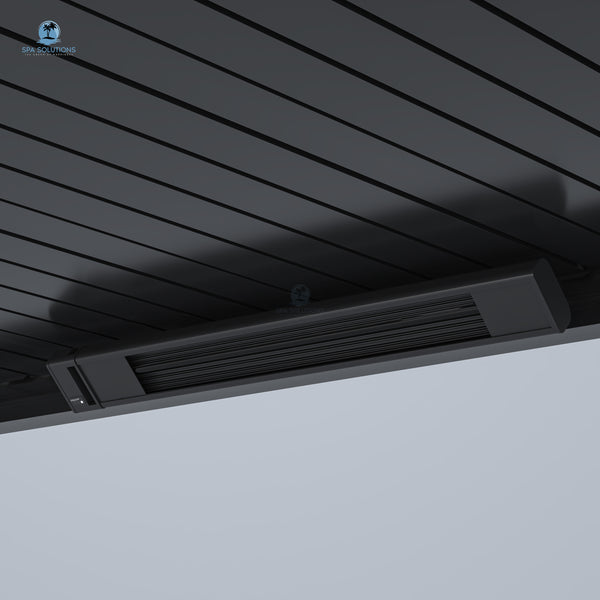
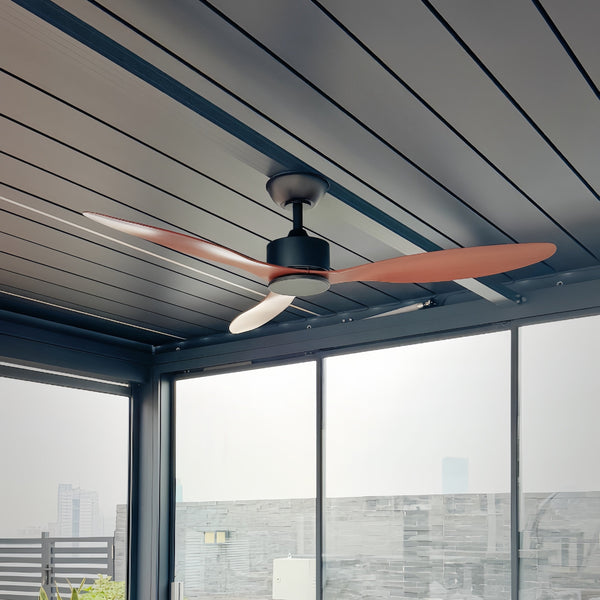
- Misting systems or fans under the roof make a noticeable difference on humid evenings.
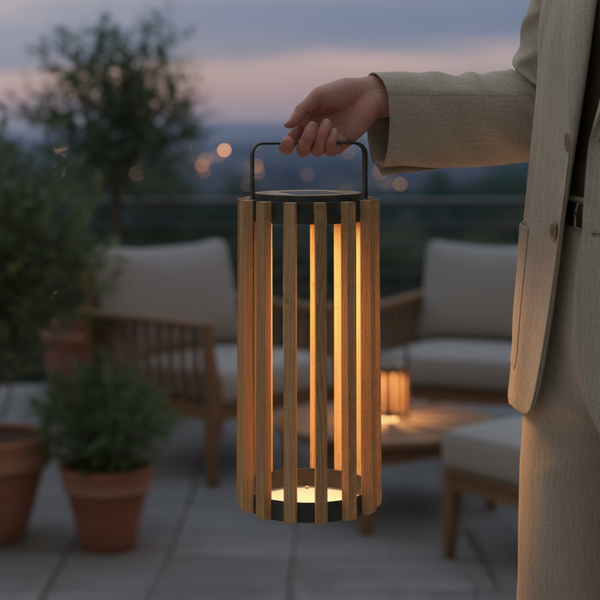
- Lighting integrated in the pergola or in the planting extends the use of the space into the night, when the garden is at its best in summer.
- Power and water connections should be laid before the paving, not afterwards.
Plan it as one project
The best seating areas come from planning shade, planting and surfaces together. If you want to see how a pergola would fit your garden before talking to the landscaper, our pergola configurator lets you try size, colour and options in 3D.
Conclusion
A shaded garden seating area in Dubai works when roof, side protection and planting are planned together. Find the right position, combine an adjustable roof with screens and greenery, and the space will stay usable far into the hot season.


